
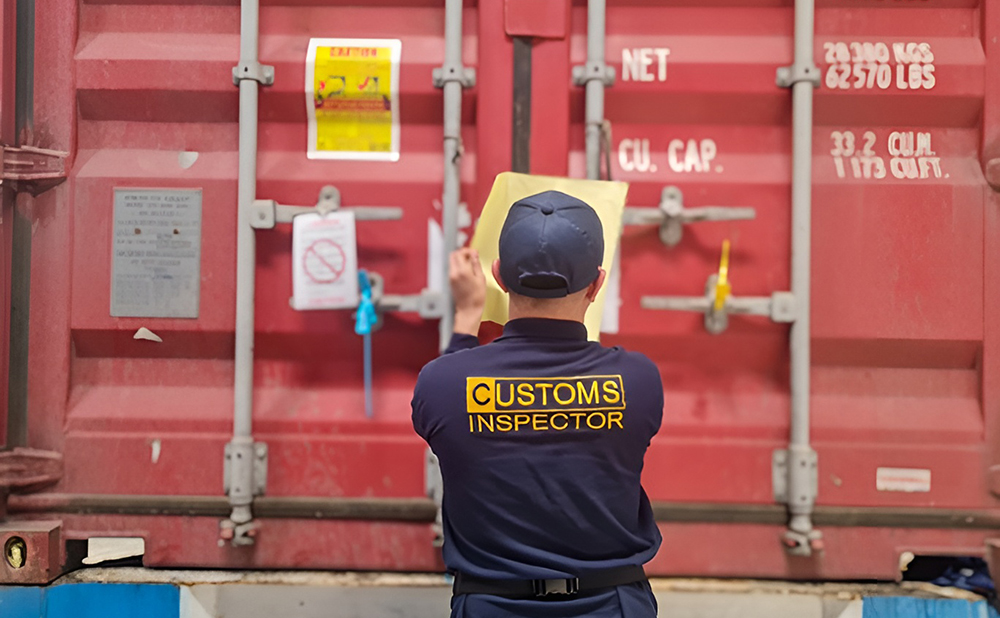
When importing products into Japan from overseas, there are numerous regulations and prohibited items to consider.
If you import products without knowing these rules, you may end up paying long-term storage fees at a bonded warehouse, or you might not be granted an import permit at all and be forced to return the items, potentially resulting in a significant waste of money.
Therefore, it is highly important to prepare in advance before importing products, such as consulting the Food Inspection Division beforehand if you are importing food.
This article specifically summarizes the items that are regulated or prohibited from being imported into Japan.
If you are considering importing products, please use this as a reference!
Items Subject to Import Regulations
First, we will introduce items that are subject to import regulations.
These are items that can be imported, but require documents from other laws, such as food notification forms, in addition to the standard customs procedures.
Items Regulated by the Food Sanitation Act
| Category | Product Examples |
| Food and Beverages | All imported food and beverages consumed orally |
| All Tableware | Spoons, plates, mugs, cups, chopsticks, water bottles, etc. |
| All Cooking Utensils | Pots, frying pans, tongs, coffee makers, pods, etc. |
| Toys (for children under 6) | Pacifiers, building blocks, dolls, clay, balloons, etc. |
* For the importation of products related to the Food Sanitation Act, there is a limit of up to 10 kg per shipment for personal use. If you are importing 10 kg or more, you will need to submit a “Notification Form for Importation of Foods.”
Items Regulated by the Pharmaceutical Affairs Law
| Category | Product Examples |
| Home Medical Products | Massage devices, heart rate monitors, eye drops, contact lenses, sunglasses, etc. |
| Supplements | Fish oil, multivitamins, protein, acai powder, etc. |
| Pharmaceuticals and Quasi-drugs | Medicine, tablets, Chinese herbal medicine, hair growth tonics, hair restorers, etc. |
| Cosmetics | Shampoo, hair styling products, lip balm, body lotion, toothpaste, etc. |
* For the importation of products related to the Pharmaceutical Affairs Law, there is a limit of up to a two-month supply based on the prescribed usage amount per item for personal use. Products that do not necessarily require multiple units, such as glasses and massage devices, are limited to one per item. If you are importing cosmetics or quasi-drugs for commercial purposes, you must obtain the necessary licenses in advance.
Items Regulated for Other Reasons
| Category | Notes | Product Examples |
| Specially Prohibited Brands | Trademark Rights | Converse (sneakers) products |
| Copyrighted Materials | Copyrights | CDs, DVDs, Blu-rays, video games, paintings, etc. |
| Certain Electrical Appliances | Explosives | Dry batteries, smartphones with built-in lithium batteries (such as iPhone), etc. |
| Knives and Firearms | Risk of violating the Firearms and Swords Control Law | Model guns, airsoft guns, small knives, etc. |
| Sales-Regulated Products | Consumer Product Safety Act | Portable lasers exceeding 1mW, infant beds, etc. |
* It may also be difficult to import perfumes containing alcohol, cosmetics using aloe, or products labeled as flammable.
Items Prohibited from Importation

Next, we will introduce items that basically cannot be imported into Japan.
Since these cannot be imported without going through special procedures, prior confirmation with customs is strictly required.
Items Prohibited by the Customs Act
| Category | Notes | Product Examples |
| High-Pressure Gases | Explosives | Hair sprays, deodorizing sprays, insecticides, aerosol insect repellents, lighter gas, oxygen cans, etc. |
| Flammable Liquids | Explosives | Lighter oil, gasoline, kerosene, thinner, nail polish, nail polish remover, etc. |
| Combustible Substances | Explosives | Matches, fireworks, charcoal, etc. |
| Poisons and Viruses | Specified Substances | Chemical weapons, artillery shells, Type 1 pathogens, Type 2 pathogens, radioactive materials, etc. |
| Corrosive Substances | Hazardous Substances | Personal mercury thermometers, hydrochloric acid, sulfuric acid, magnets, etc. |
| Knives and Handguns | Dangerous Goods | Swords, handguns, rifles, machine guns, handgun parts, airsoft guns, model guns, etc. |
| Narcotics and Drugs | Illegal Drugs | Psychotropic drugs, cannabis, opium, poppy straw, opium smoking equipment, stimulant drugs, stimulant drug raw materials, etc. |
| Counterfeits, Imitations, and Alterations | Counterfeit Goods | Fake coins, banknotes, securities, revenue stamps, postage stamps, etc. |
| Public Safety and Morals | Violation of Public Order and Morals | Books, drawings, carvings, child pornography, obscene magazines, video tapes, etc., that harm public safety and morals |
| Patents, Trademarks, and Copyrights | Intellectual Property Infringing Goods | Brand copy products, imitation products, fake brand products, etc. |
* If you need more detailed information about the Customs Act, please refer to the Japan Customs website.
Items Prohibited by the Plant Protection Act
| Category | Notes | Product Examples |
| Natural Objects | Environmental and Ecosystem Destruction | Soil, stones, sand, mud, etc. |
| Plants | Environmental and Ecosystem Destruction | Plants (including seeds), fruits, fresh flowers, potpourri, dried flowers, etc. |
| Pests | Environmental and Ecosystem Destruction | Insects attached to soil, plants, or fruits |
* If you need more detailed information about the Plant Protection Act, please refer to the Plant Protection Station website.
Items Prohibited by the Washington Convention (CITES)
| Category | Notes | Product Examples |
| Live Animals | Endangered and Conservation | Monkeys, parrots, arowanas, star tortoises, etc. |
| Furs and Rugs | Endangered and Conservation | Processed goods and products made from tigers, leopards, jaguars, cheetahs, and camels |
| Leather Goods | Endangered and Conservation | Handbags, belts, and wallets made from crocodiles, snakes, and ostriches |
| Taxidermy and Specimens | Endangered and Conservation | Processed goods and products made from white-tailed eagles, peregrine falcons, and sea turtles |
| Accessories | Endangered and Conservation | Tiger and leopard claws, rhino horns, ivory, etc. |
* If you need more detailed information about the Washington Convention, please refer to the Japan Customs page on the Washington Convention.
Items Prohibited by the Act on Domestic Animal Infectious Diseases Control
| Category | Notes | Product Examples |
| Bovine Spongiform Encephalopathy (BSE) | Rinderpest, Foot-and-Mouth Disease | Cattle, sheep, goats, and their products |
| Chronic Wasting Disease (CWD) | Rinderpest, Foot-and-Mouth Disease | Deer and their products |
| Classical Swine Fever | Rinderpest, Foot-and-Mouth Disease, Classical Swine Fever | Pigs, wild boars, and their products |
| Avian Influenza | Highly Pathogenic Avian Influenza | Chickens, turkeys, ducks, and their products |
* If you need more detailed information about the Act on Domestic Animal Infectious Diseases Control, please refer to the Animal Quarantine Service website.
Brands Regulated or Prohibited for Import
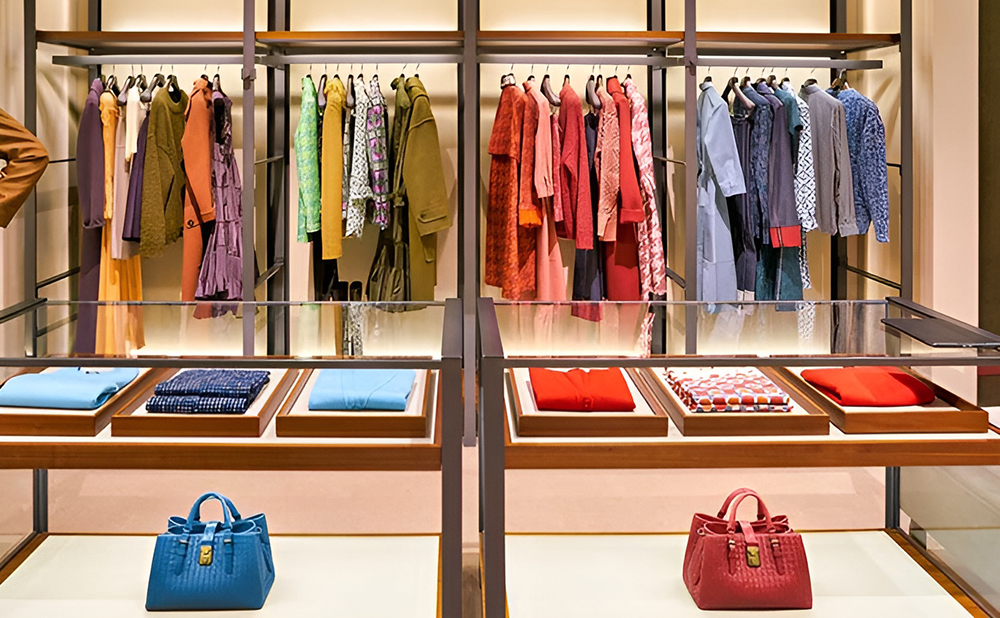
Lastly, we will introduce items whose import is regulated or prohibited not due to the characteristics of the products, but because of the brand’s trademarks, copyrights, etc.
There are various reasons for this, so when you actually decide to import a product, you need to check whether there are any restrictions on that brand.
Examples of Brands Regulating or Prohibiting Export Outside the US
| Brand | Regulations | Reason |
| kate spade new york, TIFFANY & Co., etc. | Not very strict | Because the number of items a single user can purchase is limited to prevent purchases intended for resale. |
| LEGO, Disney Store, etc. | Strict | Because there are many counterfeit products, making it difficult to prove that the products are authentic. |
| Converse, etc. | Very strict | Because it is a specially exempted brand whose personal importation into Japan is prohibited by law. |
* In very rare cases, there are brands whose importation is prohibited due to trademark rights. While purchases are possible in all cases, it may be deemed an import for resale purposes (if the number of products purchased is large) or you may be asked to submit a receipt (to prove authenticity), so prior confirmation is recommended.
Recommended Department Stores Where You Can Buy Products from Restricted Brands
| Shop Name | Selection | Popular Brands Handled |
| Neiman Marcus | Very large | Dior, DIESEL, Armani, etc. |
| Bloomingdale’s | Large | Tory Burch, kate spade, Brian Atwood, etc. |
| Nordstrom | Very large | Burberry, Gucci, Michael Kors, etc. |
| Saks Fifth Avenue | Large | Chloe, BOTTEGA VENETA, Fendi, etc. |
* Since the above stores can ship for “commercial use,” they can be used as an option if you cannot buy your desired products from the official stores.
Taxes That May Be Imposed at the Time of Importation
Customs Duties
Tariff rates are defined in great detail depending on the product’s materials, manufacturing process, country of origin, monetary value, and other factors.
Please refer to the following page for a rough estimate of the actual customs duties incurred.
If you want to know the specific amount of customs duties, the following agency has the authority to determine tariff rates, so please contact them in advance.
Consumption Tax
Just like when purchasing products domestically in Japan, a consumption tax (8% or 10%) is also imposed on imported goods.
If you purchase a $100 product in Hawaii, the Hawaii sales tax (4.712%) is applied, making it $104.71. The Japanese consumption tax will then be applied to this total amount.
3. Domestic Consumption Tax
While not applicable to regular products, a special tax called the domestic consumption tax is imposed on alcohol and tobacco.
For more details regarding the liquor tax, please refer to the following page.
For more details regarding the tobacco tax, please refer to the following page.